
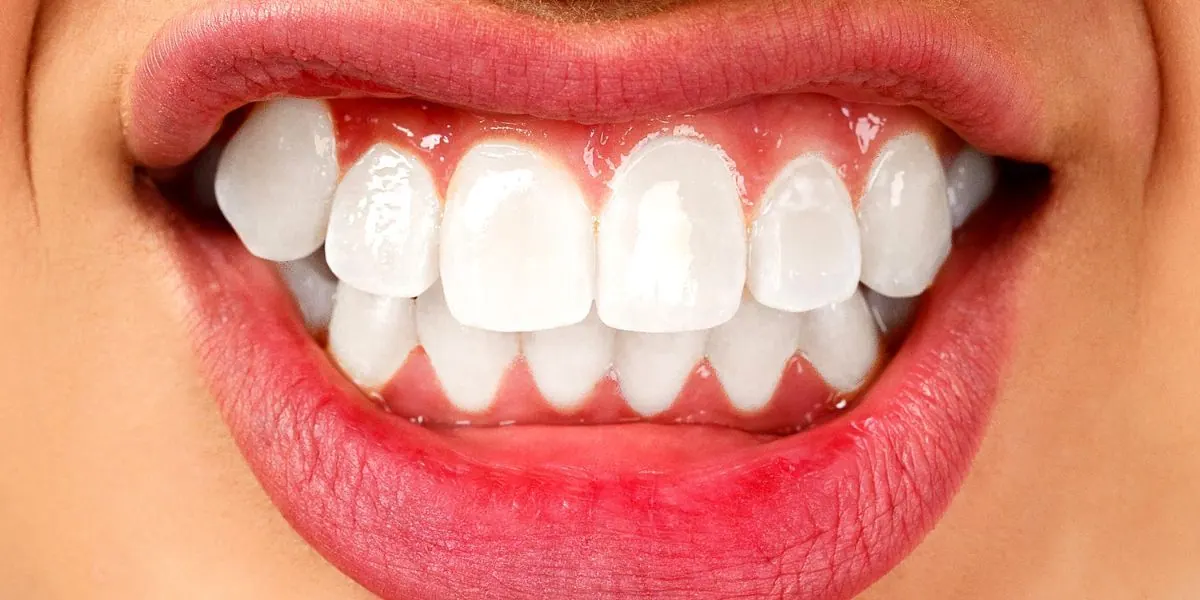
The term “bruxism” refers to tooth grinding, gnashing, or clenching unconsciously.
There are numerous different causes. Bruxism is significantly influenced by stress and anxiety. Other mental illnesses that are directly related to grinding are also possible. Whatever the case, bruxism is a complex issue with other reasons that may be connected to stress and anxiety or may even be major concerns in and of itself.
Stress and anxiety may be caused by a malocclusion, or an improper bite, but it is also a significant primary contributor. The teeth are made to fit and work in harmony with one another. The body will grind on the teeth in an effort to remove interferences when a proper bite is absent.
After a dental restoration, one tooth may still interfere with the bite. Once more, the desire for a seamless function of the teeth triggers the grinding in an effort to correct the bite. Visit the dentist who put the filling in if this is the case to have it corrected. It will prevent a great deal of pain. It’s possible that a single tooth’s interference with the bite is normal. On a daily basis, a very minor interference might not be a problem. However, when under pressure, that area turns into a good place to begin grinding. Smoking, drinking alcohol, and sleep apnea are additional risk factors.



Be the first to comment
Questions, follow-ups, or your own experience welcome. Comments are read by the Dental Square team — replies usually arrive within a working day.
No comments yet