
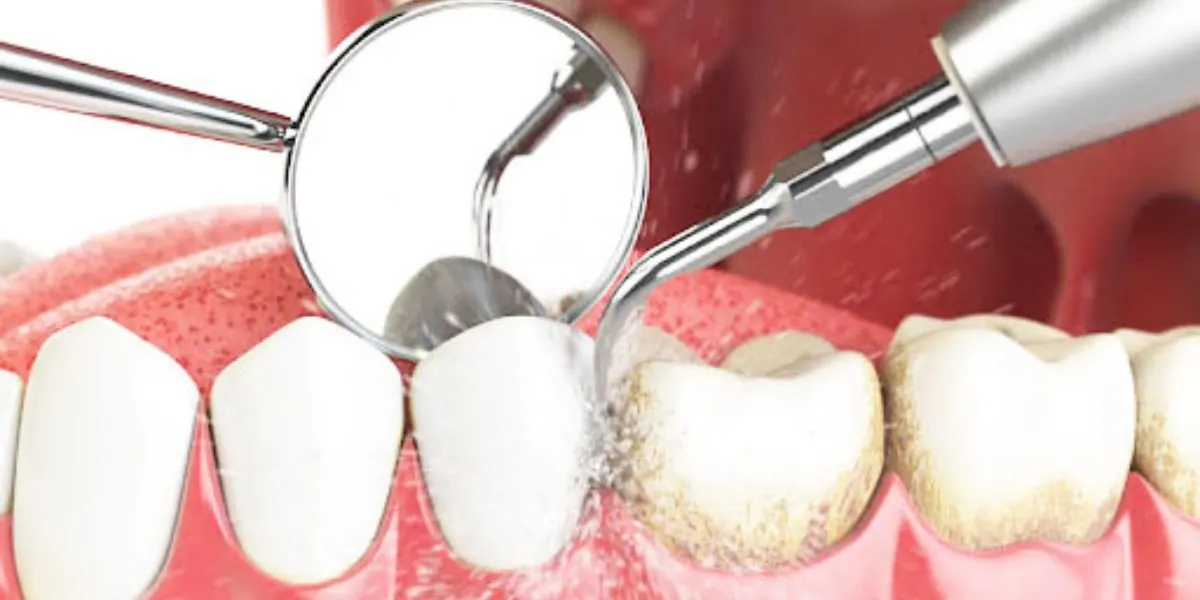
A dental hygienist or therapist uses a basic procedure called scaling and polishing to remove plaque from the teeth. This technique may cause considerable discomfort for some people, while it is painless for others. Mild bleeding may occur while scaling; this is not related to any injury to your dental health but rather to an infection in your gums and bones.
The first scrape’ stage eliminates plaque and tartar deposits. Typically, an ultrasonic scraper is used to remove the majority of the tartar, followed by specialized handheld equipment to scrape away any remaining tartar. The teeth are then ‘polished’ to make the surface smooth. While polishing removes stains and leaves teeth white and shining, it is much more than that. It also protects against plaque build-up by smoothing out tiny defects and rough texture spots on the teeth.
Scaling and polishing do not weaken your teeth, contrary to popular belief. This technique removes plaque and calculus off the surfaces of your teeth, not the tooth layer. You may notice some sensitivity following the scale and polishing treatment if there are bits of calculus or tartar. However, this sensation would pass quickly.
Scaling is the beneficial that you can do for your oral health and minimize dental visit.
Plaque / Tartar deposite due to poor oral care, routine, diet, tobacco, sugar, coffee and eta intake.
After Scaling, you may feel minor discomfort and sensitivity to hot and cold. This is the normal procedure of healing. For sensitivity, the dentist would prescribe temporary use of specialized toothpaste and flouride mouthwash.



Be the first to comment
Questions, follow-ups, or your own experience welcome. Comments are read by the Dental Square team — replies usually arrive within a working day.
No comments yet